
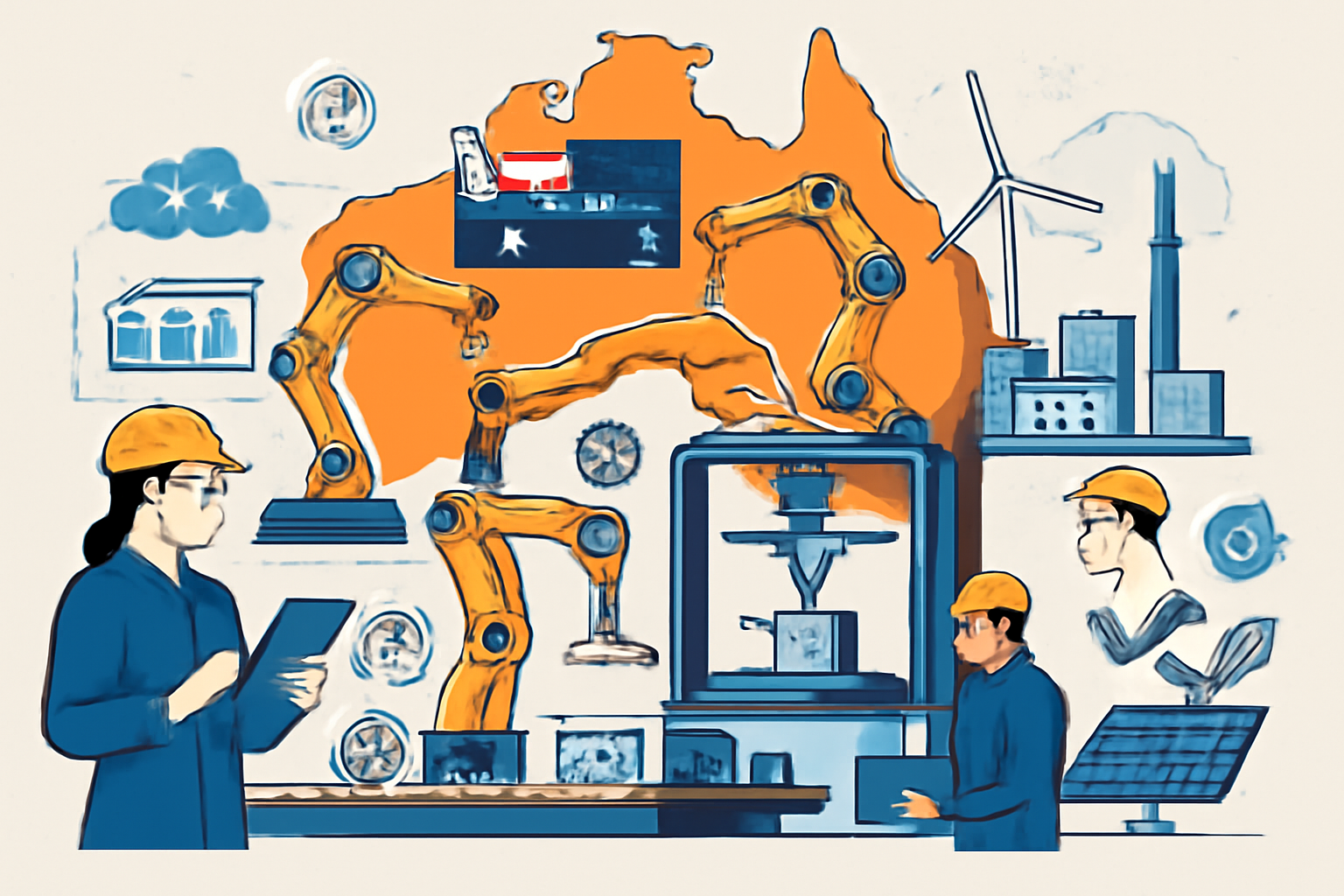
Manufacturing in Australia has evolved significantly over the past few decades. Once a stronghold of traditional industries, the sector now finds itself grappling with modern challenges such as increased global competition, changing consumer demands, and the need for more sustainable practices. However, Australian manufacturers are rising to the occasion by embracing innovation and transforming their production processes to meet the demands of the modern economy.
A key challenge facing the Australian manufacturing industry is the intense competition from low-cost manufacturers in Asia. While some sectors, such as automotive manufacturing, have seen a decline in local production, other industries are adapting by focusing on high-value, high-quality products. Australian manufacturers are increasingly specializing in niche markets, where they can offer products that require advanced technologies or skilled labor that cannot easily be replicated by overseas competitors.
In terms of innovation, Australian manufacturers are leveraging cutting-edge technologies like robotics, artificial intelligence (AI), and machine learning to increase productivity and reduce costs. Robotics, for example, are used to automate repetitive tasks, allowing companies to allocate human labor to more complex tasks that require creativity and problem-solving skills. AI is used to optimize production processes, analyze data, and predict maintenance needs, preventing costly downtimes.
Additionally, the rise of 3D printing, or additive manufacturing, has enabled Australian companies to innovate in ways that were once unimaginable. This technology allows for faster prototyping, customization, and on-demand production, which is especially valuable in industries like aerospace, healthcare, and construction. By reducing the need for large inventories, 3D printing also helps to minimize waste and reduce storage costs.
Sustainability is another area where Australian manufacturers are making significant strides. With growing consumer awareness of environmental issues, manufacturers are increasingly adopting green production practices. This includes using sustainable materials, reducing energy consumption, and optimizing supply chains to reduce emissions. Many manufacturers are also exploring ways to incorporate renewable energy sources, such as solar power, into their production processes to further reduce their carbon footprint.
The Australian government has also been instrumental in fostering innovation within the manufacturing sector. With various grants, subsidies, and tax incentives, the government supports manufacturers who invest in new technologies and research and development (R&D). These incentives encourage companies to modernize their operations, ensuring that they remain competitive on a global scale.
Despite the hurdles, the future of Australian manufacturing looks bright. The sector’s ability to innovate and adapt to changing market conditions is a testament to its resilience. By continuing to embrace technological advancements and sustainability initiatives, Australian manufacturers are setting the stage for continued success in a highly competitive global market.


More Stories
Local Legends: How Australian Media is Defending Domestic Content Against Global Giants
Inside Australia’s Changing Food and Beverage Sector: Functional Drinks, Smart Manufacturing, and Local Sourcing
Outback Vertical Farms and Solar Desalination: Australia’s Unlikely Agribusiness Revolution