
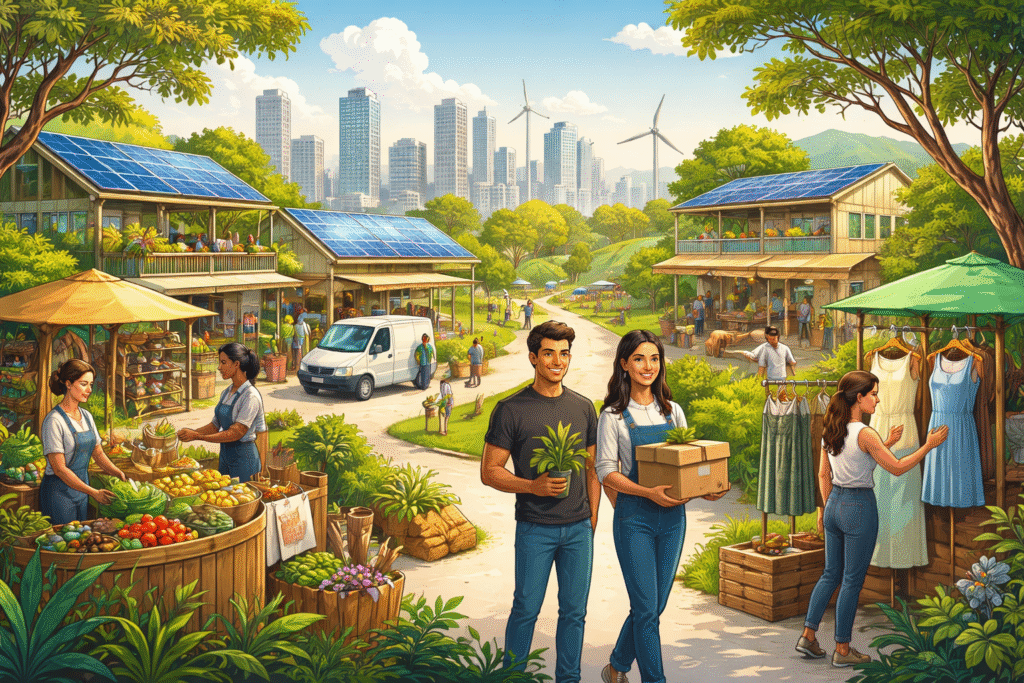
Sustainable entrepreneurship has become a significant trend in Australia, with businesses increasingly focusing on not only profit but also environmental and social responsibilities. Over recent years, there has been a noticeable shift towards incorporating sustainability into business strategies, driven by growing consumer awareness, government policies, and the need for long-term viability. Entrepreneurs and established businesses alike are leveraging sustainability to create value for society, promote ethical business practices, and reduce environmental footprints.
One of the key drivers behind this trend is the rising demand from consumers for businesses to be more transparent about their social and environmental impacts. In response, Australian entrepreneurs are increasingly adopting environmentally friendly practices, such as using renewable energy sources, reducing waste, and sourcing materials ethically. This shift is seen across various sectors, from food and fashion to technology and construction, showing that sustainability is not confined to one industry but has a broad appeal across Australia’s economy.
For example, companies like Who Gives a Crap, a toilet paper company, have gained attention by promoting sustainable products while donating a portion of their profits to sanitation projects. Their commitment to sustainability is evident in every step of the production process, from sourcing bamboo instead of trees to using 100% recyclable packaging. This kind of approach not only contributes to environmental conservation but also aligns with consumer values, fostering customer loyalty and supporting a greater social cause.
Another prominent example is the growing presence of eco-friendly fashion brands in Australia. These companies aim to minimize the environmental impact of their operations by using organic materials, producing garments that are long-lasting, and promoting ethical labor practices. Brands like Patagonia, which operates in Australia, have integrated sustainability into their business models, focusing on reducing waste and improving the sustainability of the entire supply chain. Consumers today are more conscientious about where their clothes come from, and as a result, businesses are feeling the pressure to adopt more responsible practices.
Moreover, Australia’s government is also playing a critical role in driving sustainable entrepreneurship. Through various initiatives, such as tax incentives and grants for green technologies, the government encourages businesses to invest in sustainable practices. The Australian government’s commitment to achieving net-zero emissions by 2050 has spurred many businesses to reassess their environmental impacts and implement greener solutions. These policies not only promote environmental sustainability but also help Australian businesses stay competitive in the global market, where sustainability is increasingly a key factor in consumer decision-making.
However, sustainable entrepreneurship is not just about environmental responsibility. Social sustainability is equally important, and many Australian entrepreneurs are committed to addressing social issues such as poverty, inequality, and access to education. Social enterprises, for example, have gained momentum in Australia, where businesses are designed to address social challenges while operating as financially sustainable entities. These businesses often focus on improving the lives of marginalized communities, providing employment opportunities, and supporting local economies.
An example of a socially responsible Australian business is Thankyou, a social enterprise that sells personal care products. The company’s profits are directed toward addressing global poverty issues, with initiatives that provide access to clean water, education, and sanitation in developing countries. Thankyou’s commitment to social impact has not only made a difference in the lives of those in need but has also attracted a loyal customer base that shares the company’s values.
Sustainable entrepreneurship in Australia is also linked to the development of innovative technologies that aim to solve environmental and social problems. The startup ecosystem in Australia has seen a surge in businesses that are focused on creating sustainable solutions, such as clean energy technologies, waste management systems, and eco-friendly construction materials. These innovations are crucial in driving the transition to a more sustainable economy and providing new opportunities for entrepreneurs.
In conclusion, the trend of sustainable entrepreneurship in Australia represents a significant shift in how businesses operate. Entrepreneurs are increasingly prioritizing social and environmental responsibilities, recognizing that long-term business success is intertwined with the well-being of the planet and society. By embracing sustainable practices, Australian businesses not only meet the evolving expectations of consumers and governments but also contribute to building a more equitable and environmentally conscious future.



More Stories
How Australian Family Businesses Can Protect Their Legacy While Expanding in 2026
AI Automation and Micro-SaaS Opportunities for Australian SMEs in 2026
Australia’s 2026 Sustainable Startup Shift: How Circular Business Models Are Rewriting the Rules of Growth