
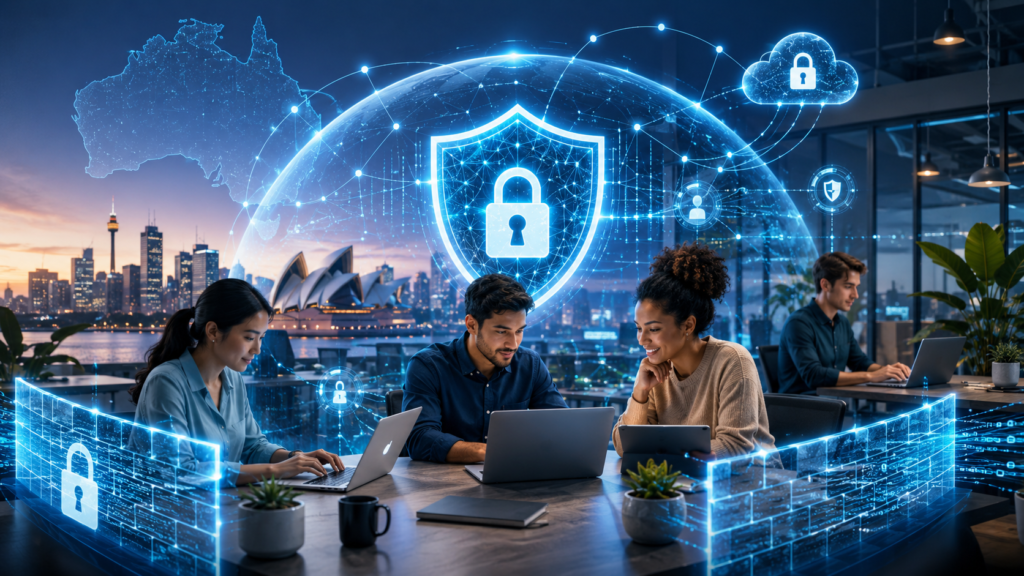
The increasing reliance on digital technologies has made cybersecurity an urgent priority for start-ups in Australia. Whether launching a new app, running an e-commerce platform, or providing digital services, safeguarding user data and maintaining privacy is non-negotiable. In this article, we explore the best cybersecurity practices that Australian start-ups can adopt to secure their data and protect their users.
The Rise of Cybersecurity Risks
With the rapid growth of the tech industry in Australia, start-ups are increasingly becoming targets of cyberattacks. These attacks can take many forms, including phishing scams, malware, and ransomware. Start-ups, often with limited cybersecurity resources, are particularly vulnerable to these types of threats.
A single security breach can have significant consequences, including financial loss, damage to reputation, and a loss of user trust. The impact of such incidents is often devastating for start-ups, which rely heavily on customer trust and data integrity. Therefore, it is essential for these businesses to implement a robust cybersecurity strategy to mitigate the risk of cyberattacks.
Adhering to Privacy Laws
Start-ups operating in Australia must adhere to the Privacy Act 1988 and the Australian Privacy Principles (APPs). These regulations govern how businesses handle personal data and require companies to implement measures that protect user privacy. The Australian Information Commissioner enforces these regulations, and non-compliance can lead to severe penalties.
For start-ups, staying informed about privacy laws is crucial. They must ensure that their data handling practices align with the legal requirements and that personal data is stored and processed securely. Transparency with users about how their data is used and providing them with control over their information is essential for gaining trust and ensuring compliance.
Securing Infrastructure and Applications
One of the most important aspects of cybersecurity is securing the infrastructure and applications that store and process user data. Start-ups should implement network security measures such as firewalls, VPNs, and intrusion detection systems to protect against unauthorized access. Regular security updates and patch management are essential for keeping vulnerabilities at bay.
For applications, start-ups should adopt secure coding practices to minimize the risk of vulnerabilities. Regular code audits and penetration testing can help identify and fix potential weaknesses before they are exploited by attackers.
Multi-Factor Authentication and Strong Password Policies
To prevent unauthorized access to business systems and user accounts, start-ups should implement Multi-Factor Authentication (MFA) and enforce strong password policies. MFA adds an additional layer of security by requiring users to provide multiple forms of identification before gaining access to sensitive information. This could include a password, a fingerprint scan, or a one-time code sent to their mobile device.
By requiring employees and users to enable MFA, start-ups can significantly reduce the risk of unauthorized access and data breaches. Additionally, strong password policies, such as mandating the use of complex passwords and regularly updating them, can further enhance security.
Regular Employee Training and Awareness
Human error is one of the leading causes of data breaches, and employees often unknowingly contribute to security vulnerabilities. Start-ups should provide regular training on cybersecurity best practices to help employees identify phishing attempts, safeguard sensitive data, and use secure networks.
Employee training should cover topics such as recognizing social engineering tactics, safe internet browsing habits, and the importance of keeping software and systems updated. A well-trained workforce can significantly reduce the risk of security incidents caused by human error.
Partnering with Experts
As cyber threats continue to evolve, start-ups must stay ahead of emerging risks. Partnering with cybersecurity experts can provide valuable guidance on best practices and the latest security tools. External experts can help start-ups develop comprehensive cybersecurity strategies, conduct risk assessments, and implement tailored security solutions.
Additionally, cybersecurity experts can assist in developing a breach response plan to ensure the business is prepared in case of a data breach. By having a clear plan in place, start-ups can respond quickly and minimize the potential damage.

More Stories
From Mine Sites to Battlefields: How CSIRO Spinout Emesent Is Rewriting GPS-Denied Reconnaissance
Government Policy and the Architecture of Australia’s Deep Tech Future
VR Startups Transform Australian Aged Care and Healthcare Training with Immersive Technology