
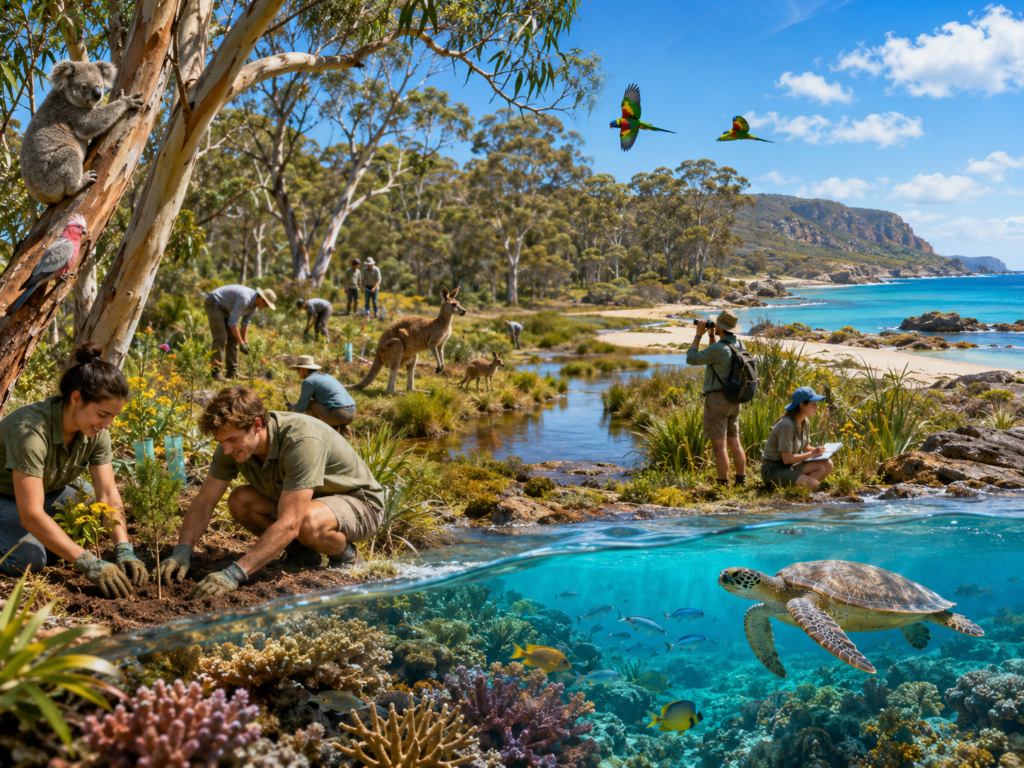
Australia’s natural landscapes are renowned for their diversity, including tropical rainforests, arid deserts, and extensive coastlines. Maintaining the health of these ecosystems is essential for biodiversity, climate regulation, and human well-being. Environmental organizations in Australia take a proactive approach to conservation, combining direct action, advocacy, and education.
The Australian Conservation Foundation (ACF) is a key advocate for environmental protection. Its campaigns focus on renewable energy, forest conservation, and climate policy. By engaging policymakers, businesses, and the public, the ACF drives systemic change, ensuring that ecological priorities are integrated into national and local planning decisions.
Bush Heritage Australia adopts a hands-on conservation model, securing land that is critical for wildlife and ecological processes. Through habitat restoration, management of invasive species, and monitoring of native flora and fauna, Bush Heritage preserves essential ecosystems while providing scientific insights into effective conservation practices.
WWF-Australia addresses both local and global environmental challenges. Their work includes protecting marine ecosystems such as the Great Barrier Reef, promoting sustainable agricultural methods, and supporting community-based conservation initiatives. WWF-Australia emphasizes the importance of partnerships with governments, local stakeholders, and businesses to maximize impact.
Local initiatives also play a significant role. Landcare Australia engages volunteers in restoring degraded landscapes, protecting waterways, and enhancing soil health. Grassroots programs like Landcare empower communities to take responsibility for the environments around them, fostering a culture of environmental stewardship.
Environmental organizations increasingly collaborate with businesses to implement sustainable practices and fund conservation projects. These partnerships promote corporate social responsibility and demonstrate that economic growth can coexist with environmental preservation.
Education is a central strategy in promoting sustainability. Programs in schools, community workshops, and public awareness campaigns equip individuals with knowledge about climate change, habitat protection, and sustainable living. Informed communities are more likely to adopt behaviors that reduce ecological impact.
Policy engagement is another critical dimension. Organizations provide research, expert guidance, and advocacy to influence legislation, ensuring that environmental concerns are considered in urban planning, agriculture, and industrial development. This approach helps integrate scientific insights into effective policymaking.
The benefits of environmental organizations extend beyond species protection. Healthy ecosystems provide clean water, fertile soil, carbon sequestration, and recreational spaces, all of which contribute to societal well-being. By fostering sustainable practices, these organizations support long-term ecological and human resilience.
Through strategic conservation, education, community involvement, and advocacy, Australia’s environmental organizations play a pivotal role in maintaining ecological balance and promoting sustainability. Their comprehensive approach ensures that the nation’s unique natural heritage is preserved for future generations while addressing contemporary environmental challenges.


More Stories
APRA and ASIC Tighten the Screws on Private Credit as Australia’s Non-Bank Lending Sector Hits $200 Billion
Mining and Resources M&A: Australia’s Critical Minerals Attract Record Deal Flow
The Safety Net for Small Business: How ACCI Is Addressing the Mental Health and Financial Pressures of Entrepreneurship