
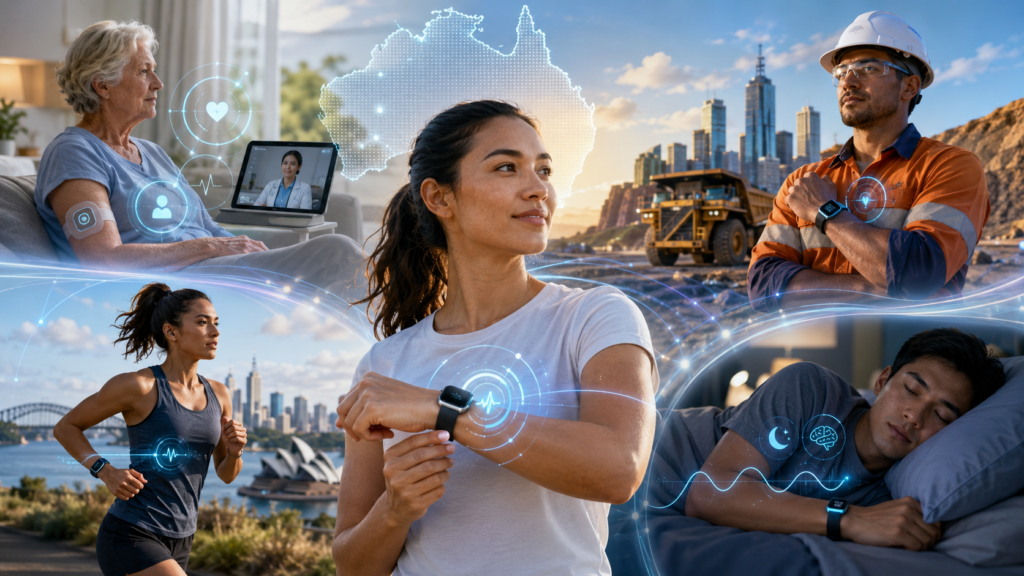
Wearable technology is becoming one of the most exciting areas of digital innovation in Australia. From smartwatches and biometric rings to medical sensors and connected workwear, wearable devices are changing how people track health, improve performance, and stay safe. The market is attractive because it connects several growing sectors at once: healthcare, fitness, sport, aged care, workplace safety, and artificial intelligence. For Australian start-ups, this creates a wide range of commercial opportunities.
The demand for health-focused wearables is particularly strong. Australians are becoming more proactive about wellness and are using digital tools to monitor their bodies in real time. A wearable device can show information about sleep, heart rate, daily movement, stress, temperature, and recovery. This kind of personal data helps users make better decisions about exercise, rest, and lifestyle. Start-ups can add value by turning complex biometric readings into simple recommendations that users can understand.
Medical wearables may become even more important. Australia has a significant need for remote health solutions, especially for older people and residents in rural or regional areas. Wearables can support remote patient monitoring by sending health information to clinicians, carers, or digital platforms. This can reduce unnecessary appointments and help detect early warning signs. Start-ups that develop accurate and clinically useful devices may find opportunities in partnerships with hospitals, aged-care providers, telehealth services, and health insurers.
Aged care is one area where wearable technology can make a meaningful difference. Devices can detect falls, track movement, monitor sleep, and identify changes in daily routines. For elderly people who want to live independently, wearables can provide reassurance to families and carers. The challenge is to design products that are simple, non-intrusive, and comfortable. Start-ups that understand the needs of older users may be able to build strong trust in this market.
Sports performance is another area with high potential. Australia’s culture of sport and outdoor activity creates demand for wearable tools that help people train smarter. Professional clubs, coaches, and athletes may use wearables to measure workload, fatigue, speed, recovery, and injury risk. Recreational users may prefer simpler devices that guide them toward better fitness results. Start-ups can succeed by designing wearables for specific sports or environments, such as swimming, cycling, running, surfing, or team sports.
The workplace market should not be overlooked. Wearables can help protect workers in mining, construction, manufacturing, agriculture, and transport. These devices can monitor heat stress, fatigue, dangerous movements, noise exposure, or location in remote worksites. In industries where safety incidents can be costly and dangerous, wearable technology can provide measurable value. Start-ups that focus on enterprise customers may benefit from larger contracts and long-term service models.
The Australian market also has obstacles. Many global technology companies already dominate consumer wearables, making it difficult for small firms to compete on price or brand recognition. Start-ups may need to avoid direct competition with large smartwatch brands and instead focus on specialised niches. Data privacy is another serious issue because wearables collect sensitive personal and health information. Companies must build secure systems and maintain user confidence.
Successful wearable start-ups in Australia will likely be those that combine hardware with strong software. The device itself is only one part of the experience. The real value often comes from analytics, alerts, personalised coaching, health integration, or business dashboards. Subscription models, data services, and partnerships can create recurring revenue beyond device sales.
Wearable technology in Australia is entering a more mature stage. Consumers want devices that are useful, reliable, and meaningful. Businesses want solutions that improve safety and productivity. Healthcare providers want tools that support better patient care. Start-ups that understand these needs can build products that move wearable technology from fashionable accessories to essential digital tools.


More Stories
From Mine Sites to Battlefields: How CSIRO Spinout Emesent Is Rewriting GPS-Denied Reconnaissance
Government Policy and the Architecture of Australia’s Deep Tech Future
VR Startups Transform Australian Aged Care and Healthcare Training with Immersive Technology