
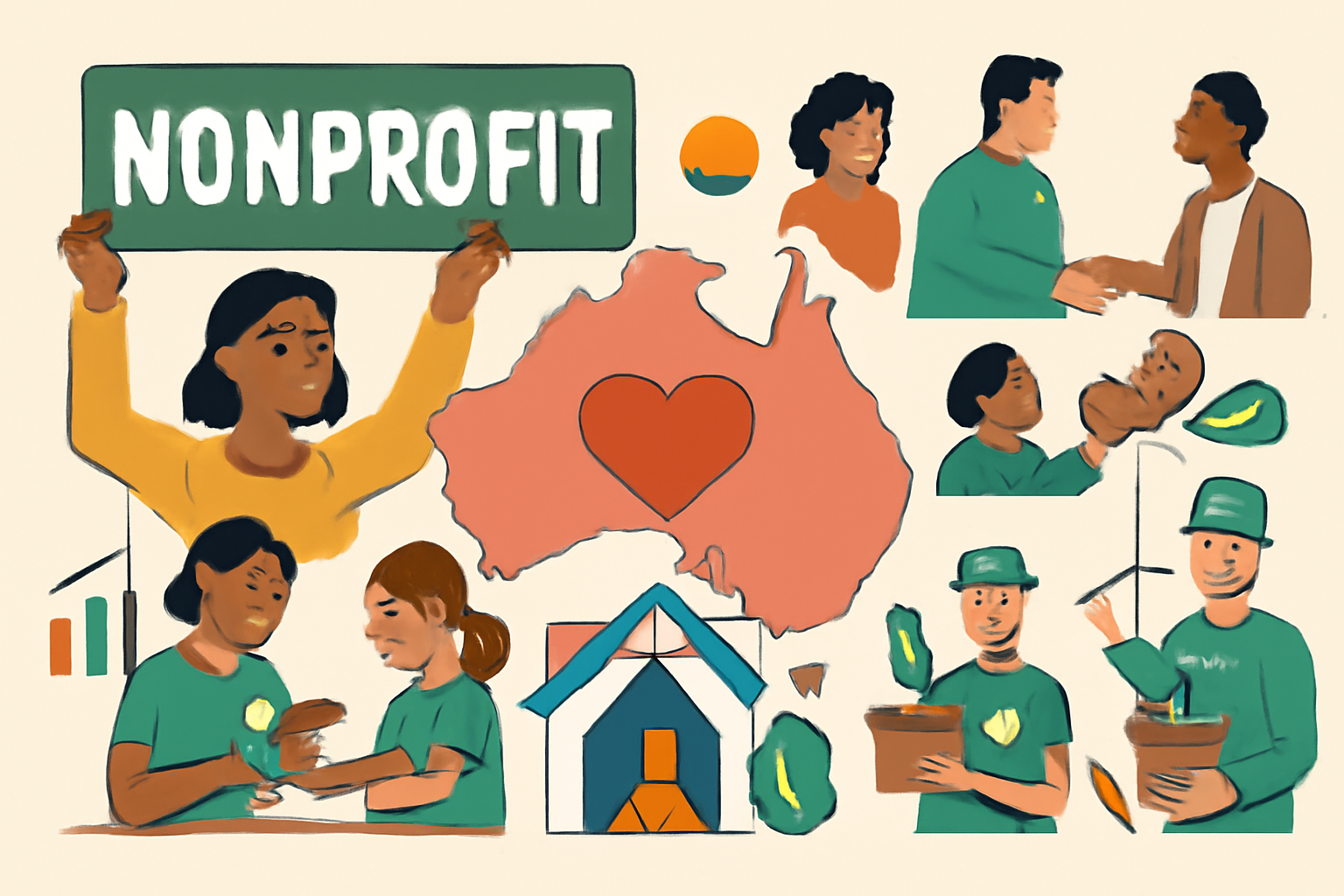
In Australia, nonprofit organizations are vital contributors to addressing the country’s most pressing social and economic issues. These organizations, which include charities, advocacy groups, and social enterprises, operate with a mission to improve the lives of individuals and communities, particularly those who are marginalized or in need.
Nonprofits in Australia are often at the forefront of social change, focusing on critical areas such as poverty alleviation, mental health, education, and housing. The role they play in addressing social inequality is significant. Many Australians experience disadvantage due to factors such as race, disability, gender, and economic status. Nonprofits work tirelessly to bridge the gap for these communities by providing direct services, resources, and support.
A key strength of nonprofit organizations is their ability to work closely with local communities. This grassroots approach ensures that services are tailored to meet the specific needs of individuals. Whether it’s providing emergency food relief, offering educational programs, or delivering healthcare services, nonprofits are often able to respond more quickly and effectively to community needs than government agencies or for-profit businesses.
Economic challenges are another area where nonprofits in Australia make a substantial impact. These organizations help to alleviate financial pressure on the government by offering services that would otherwise require public funding. By providing affordable or free services, nonprofits reduce the burden on taxpayers and contribute to the overall economic health of the country.
In addition, nonprofit organizations are instrumental in fostering economic inclusion. Many nonprofits run programs that help individuals gain skills, find employment, and break the cycle of poverty. These programs include job training, financial literacy workshops, and mentoring initiatives, all of which help individuals build a more secure economic future.
Furthermore, nonprofit organizations in Australia are increasingly focused on sustainability. Many of these organizations are dedicated to environmental protection and climate action, working to address the long-term challenges posed by climate change. These nonprofits engage in advocacy, community education, and direct action to promote eco-friendly practices and policies. By contributing to environmental sustainability, they play a crucial role in ensuring that Australia’s natural resources are protected for future generations.
Nonprofits also play an essential role in influencing public policy in Australia. Advocacy and lobbying efforts by these organizations have led to significant changes in areas such as healthcare, housing, and education. By representing the interests of vulnerable groups, nonprofits help ensure that government policies reflect the needs of all citizens, not just those with the most power or resources.
Partnerships between nonprofits, government, and the private sector are also essential to the success of these organizations in Australia. Collaboration allows for resource-sharing and the pooling of expertise, making it possible for nonprofits to scale their impact and reach more people. Whether working on issues such as homelessness, unemployment, or mental health, these partnerships help ensure that efforts are more effective and sustainable in the long term.
Through their advocacy, service delivery, and community engagement, nonprofit organizations in Australia are a vital part of the social and economic landscape. Their work not only addresses immediate needs but also contributes to broader efforts to create a more inclusive, equitable, and sustainable society.




More Stories
Australian Education Companies and Their Strategic Role in Building Global Human Capital Through Innovative Learning Systems
Australia’s Healthcare Companies in 2026: How Medical Innovation, Digital Health, and Patient Services Are Reshaping the Future of Care
How Australian Social Organizations Address Community Inequality, Climate Pressure, and Environmental Protection